
As the weather heats up, we all want to stay cool without breaking the bank on energy bills. Preparing our homes for heat waves is key. We can look at our cooling methods and how well our houses keep the cool air in. This article will talk about smart ways to cool your home and make sure it stays that way.
Key Takeaways
- We can use our air conditioners more wisely by setting them at higher temperatures when we’re away and using fans to help circulate air. This is a big part of energy efficient cooling solutions.
- Looking into other ways to cool down, like using natural ventilation or even portable cooling units, can help reduce reliance on central air.
- Making sure our homes are well-insulated, especially in the attic and walls, and sealing up any drafts or leaks stops hot air from getting in and cool air from escaping.
Maximizing Energy Efficient Cooling Solutions
When the temperatures climb, keeping our homes cool without running up a huge electricity bill is a big concern for many of us. We’ve found that being smart about how we use our air conditioning and exploring other cooling methods makes a real difference. It’s not just about turning the AC down; it’s about using it wisely and supplementing it with other techniques.
Strategic Air Conditioning Usage
We often think of air conditioning as an all-or-nothing solution, but a few simple adjustments can lead to significant energy savings. Instead of blasting the AC constantly, consider setting your thermostat a few degrees higher when you’re not home or during cooler parts of the day. Using a programmable or smart thermostat can automate this process, taking the guesswork out of it. We also found that closing blinds and curtains during the hottest parts of the day, especially on south-facing windows, can block a surprising amount of heat from entering your home, reducing the workload on your AC.
Here are some practical tips we’ve adopted:
- Set your thermostat to 78°F (26°C) when you are home.
- Raise the temperature by 4-7°F (2-4°C) when you are asleep or away.
- Use ceiling fans in conjunction with your AC. They create a wind-chill effect, allowing you to set the thermostat a few degrees higher while still feeling comfortable.
- Ensure your air filters are clean. A clogged filter makes your AC work harder and less efficiently.
We learned that regular maintenance of our AC unit is also key. A tune-up before the cooling season can catch small issues before they become big, energy-wasting problems.
Exploring Alternative Cooling Methods
Air conditioning isn’t the only way to stay cool. We’ve been experimenting with several alternative methods that work well, especially in conjunction with our AC or on milder days. Natural ventilation is a big one. Opening windows on opposite sides of the house during cooler morning and evening hours can create a cross-breeze that pushes hot air out and draws cooler air in. This passive cooling approach can significantly reduce the need for mechanical cooling.
We’ve also looked into:
- Evaporative Coolers (Swamp Coolers): These are particularly effective in dry climates. They work by evaporating water, which cools the air. They use much less energy than traditional air conditioners.
- Whole-House Fans: Installed in the attic, these fans can quickly vent hot air from the house, especially useful in the evening after the outdoor temperature drops.
- Shade Solutions: Planting trees or installing awnings on the sunny sides of our homes can block direct sunlight, keeping the building cooler naturally.
| Cooling Method | Energy Use (Relative) | Best For Climate | Notes |
|---|---|---|---|
| Central Air Conditioning | High | All | Most effective for extreme heat |
| Ceiling Fans | Low | All | Complements AC, creates wind-chill effect |
| Evaporative Cooler | Medium | Dry | Uses water evaporation to cool air |
| Whole-House Fan | Medium | All | Vents hot air, best in evenings |
Enhancing Home Insulation for Cooler Interiors
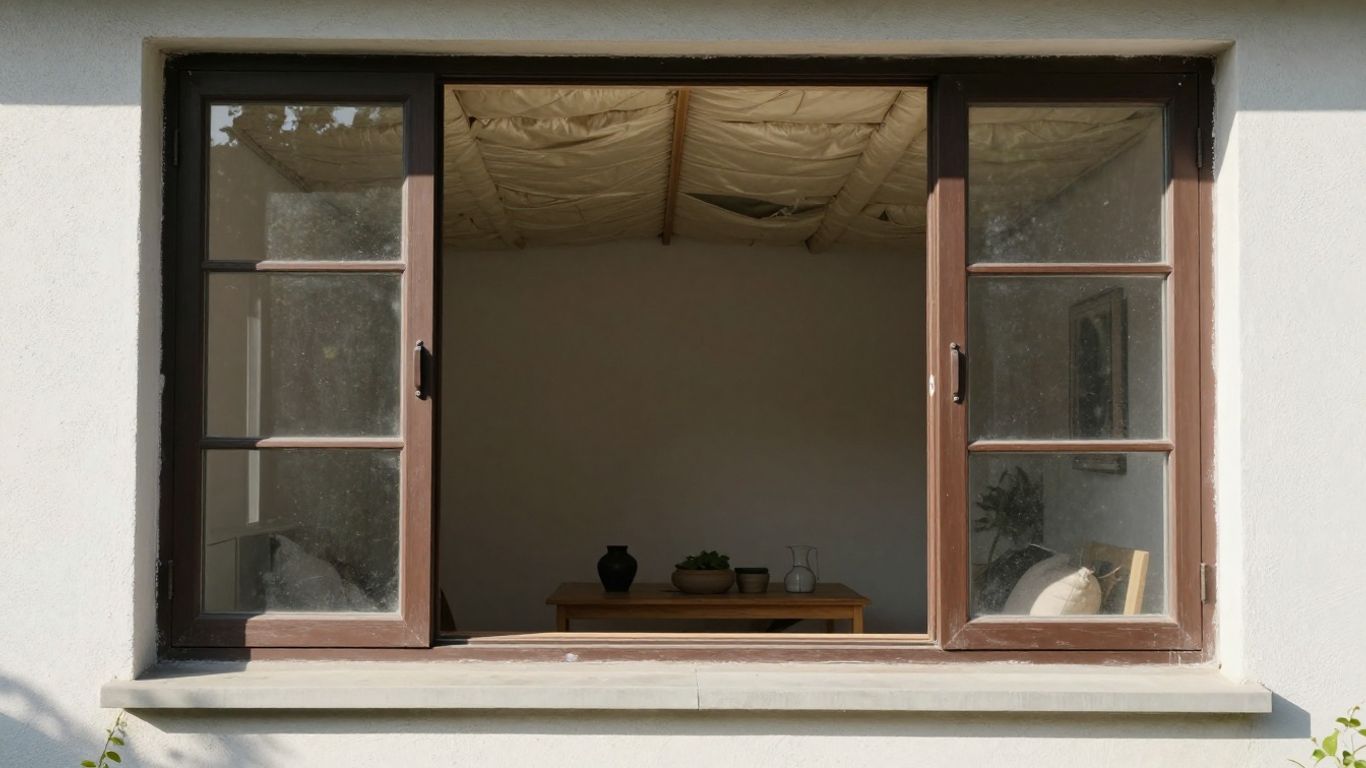
When we think about staying cool during heat waves, our minds often jump straight to air conditioning. But before we crank up the AC, we should really consider what’s happening with our homes’ insulation. It’s like trying to fill a leaky bucket; if the heat can easily get in, our cooling efforts are going to be much harder and more expensive. Good insulation acts as a barrier, keeping the hot air outside where it belongs.
Attic and Wall Insulation Benefits
Our attics are often the biggest culprits when it comes to heat gain. Think about it: hot air rises, and the sun beats down directly on the roof. If your attic isn’t properly insulated, all that heat will transfer down into your living spaces. We’ve found that adding or improving attic insulation can make a huge difference. It’s not just about keeping cool in the summer; it helps keep us warm in the winter too, making it a year-round investment.
Here’s a quick look at why it matters:
- Reduces Heat Transfer: Insulation slows down how quickly heat moves from the outside to the inside (and vice-versa in winter).
- Lowers Energy Bills: Less heat getting in means your AC doesn’t have to work as hard, saving us money.
- Improves Comfort: Rooms feel more consistently cool, without those hot spots.
- Protects Your Home: It can help prevent moisture issues and extend the life of your roof.
Walls are the next big area. While we might not think about them as much as the attic, they still absorb a lot of solar heat. Insulating walls, especially during renovations or new construction, adds another layer of defense against the summer sun. We’ve seen homes where adding insulation to previously uninsulated walls made a noticeable change in indoor temperatures.
Sealing Air Leaks Effectively
Insulation is great, but it’s only part of the story. We also need to think about air leaks. These are the little gaps and cracks where conditioned air escapes and unconditioned air sneaks in. It’s like having holes in your nice, thick blanket. We’ve learned that finding and sealing these leaks is just as important as the insulation itself.
Where do we typically find these leaks?
- Around windows and doors
- Where pipes or wires enter the house
- Attic hatches and crawl space entrances
- Electrical outlets and switch plates on exterior walls
We can use caulk and weatherstripping for smaller gaps, and spray foam for larger ones. A simple check involves feeling for drafts on a windy day or using an incense stick to see where the smoke gets pulled. It might seem like a small job, but tackling these leaks can really stop our cool air from escaping and the hot air from coming in.
We often focus on the big, obvious solutions, but sometimes the most effective strategies are the ones that address the fundamentals. For home cooling, that means making sure our homes are sealed up tight and well-insulated. It’s about creating a comfortable environment without relying solely on energy-guzzling appliances. We’ve found that a little effort here goes a long way in preparing for those sweltering summer days.
Wrapping Up Our Heat Wave Prep
So, we’ve talked about ways to keep our homes cooler when the temperatures really climb. It’s not just about cranking the AC, though that’s part of it. Thinking about how well our houses are insulated and making smart choices about cooling systems can make a big difference. We can all take steps, big or small, to be more ready for those hot days. It might mean looking into better window coverings, checking our attic insulation, or even just being mindful of when we use heat-generating appliances. Preparing now means we can feel more comfortable and safe when the heat wave hits. Let’s get our homes ready.
Frequently Asked Questions
How can we use our air conditioner smarter when it gets really hot outside?
To keep our homes cool without using too much power, we should set our air conditioners to a slightly higher temperature, like 78 degrees Fahrenheit, when we’re home. If we’re away, we can turn it up even more or switch it off. Using fans along with the AC also helps us feel cooler, so we don’t need to set the AC as low. Closing curtains and blinds during the hottest parts of the day also stops the sun from heating up our rooms.
Besides air conditioners, what other ways can we cool our houses?
We can explore methods like using ceiling fans or portable fans to move air around, which makes us feel cooler even if the air temperature isn’t much lower. Opening windows at night when it’s cooler outside and closing them in the morning can also help. Planting trees or putting up awnings outside can shade our homes from the sun. Some people even use whole-house fans that pull cool air from outside and push hot air out.
Why is adding insulation to our attic and walls so important for staying cool?
Insulation acts like a blanket for our homes. In the summer, it helps keep the hot air outside from coming in, and in the winter, it keeps the warm air inside. Adding more insulation, especially in the attic where most heat can enter, makes a big difference in keeping our homes comfortable. This means our cooling systems don’t have to work as hard, saving us energy and money.