
As the weather warms up, many of us look forward to spending more time by the pool or in the spa. It’s the perfect way to relax and enjoy the season. However, with the fun comes a need for caution, especially when it comes to electricity. We want to make sure everyone stays safe. This article will walk us through some important points about pool and spa electrical safety so we can all have a worry-free time.
Key Takeaways
- We need to know about the electrical dangers around pools and spas. Things like old wiring or equipment too close to water can be risky.
- Taking care of our pool and spa equipment regularly helps prevent problems. Checking for worn cords or loose connections is a good idea.
- Using GFCI outlets is a must. They shut off power fast if something goes wrong, keeping us safe from shocks.
Ensuring Pool and Spa Electrical Safety This Spring
As the weather warms up and we start thinking about opening our pools and spas for the season, it’s a good time to talk about electrical safety. We all want to enjoy our backyard oases without any worries, and that means paying attention to the electrical systems that power them. Water and electricity don’t mix well, so we need to be smart about how everything is set up and maintained.
Understanding Common Electrical Hazards
There are a few things that can go wrong with pool and spa electrical setups. One big one is faulty wiring. Over time, wires can get damaged by moisture, heat, or even just wear and tear. This can lead to shorts or exposed wires, which are dangerous. Another hazard is improper grounding. If the electrical system isn’t grounded correctly, there’s a higher risk of shock if something goes wrong. We also see issues with old or damaged equipment. Pumps, heaters, and lights all have electrical components, and if they’re not in good shape, they can become a safety problem.
- Damaged or frayed wiring
- Inadequate or missing grounding
- Worn-out or malfunctioning equipment
- Improperly installed lights or fixtures
We need to remember that even small electrical problems can become serious hazards when water is involved. It’s not something to put off or ignore.
Preventative Maintenance for Your Pool and Spa
Taking care of your pool and spa’s electrical system before problems start is key. This means regular check-ups. We should inspect all the visible wiring for any signs of damage, like cracks or corrosion. It’s also a good idea to check the connections at the pump, heater, and any other equipment to make sure they are secure and dry. Looking at the control panel and any switches is important too; they should be clean and free of moisture.
Here are some steps we can take:
- Visual Inspection: Walk around your pool and spa area and look closely at all electrical components. Check for anything that looks out of place or damaged.
- Test GFCI Outlets: If your pool or spa equipment is plugged into GFCI outlets, test them monthly to make sure they are working correctly.
- Check Equipment Covers: Make sure all equipment, like the pump and heater, has its cover securely in place to protect the electrical parts from the elements.
- Professional Review: Consider having a qualified electrician inspect your pool and spa electrical system annually, especially if it’s an older setup.
Regular maintenance helps prevent accidents and keeps our swimming and soaking areas safe for everyone.
Best Practices for Pool and Spa Electrical Safety
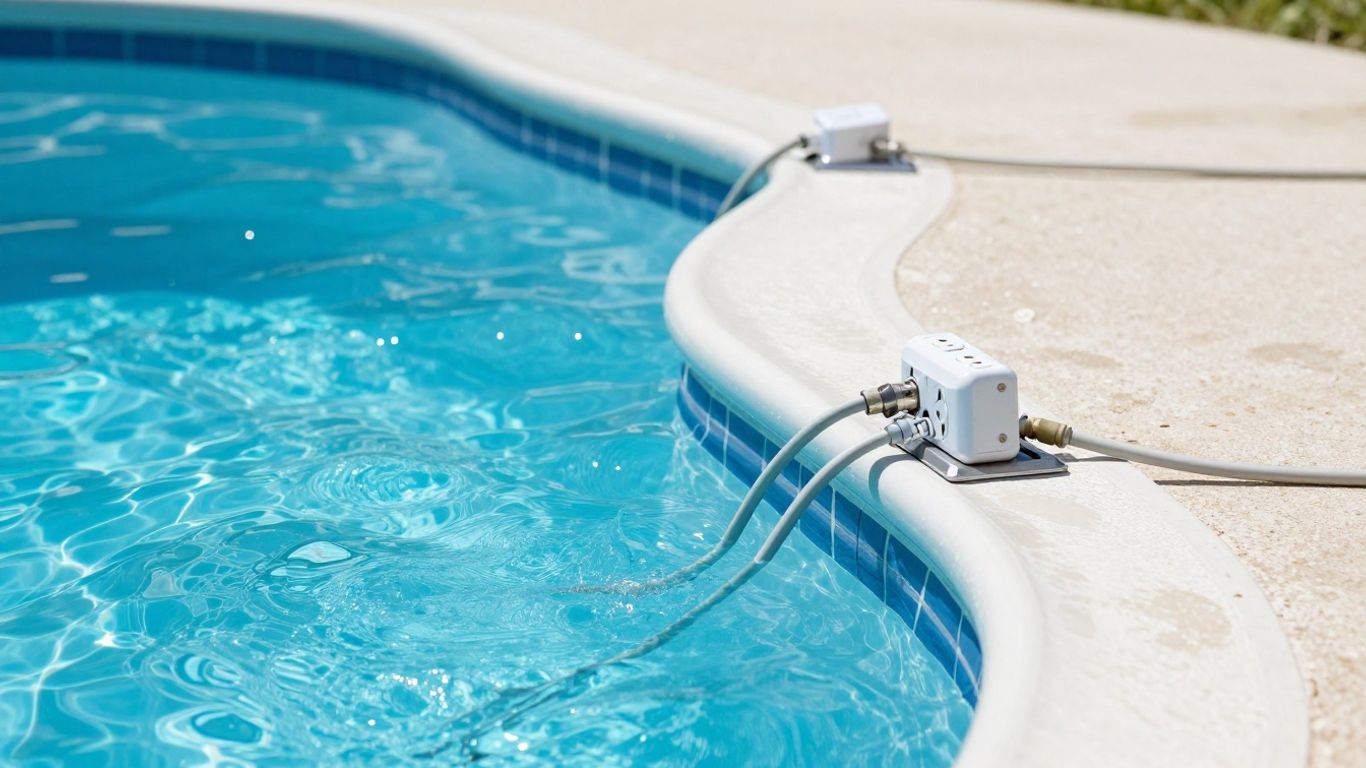
When we think about our pools and spas, we usually focus on the fun and relaxation. But there’s a serious side to them, especially when it comes to electricity. Getting the electrical setup right is super important for keeping everyone safe. We’re going to look at a couple of key areas that make a big difference.
GFCI Protection: Your First Line of Defense
Ground Fault Circuit Interrupters, or GFCIs, are like the vigilant guardians of your pool and spa electrical system. They’re designed to quickly shut off power if they detect an imbalance in the electrical current, which can happen if electricity starts flowing through water or a person. This is a big deal because water and electricity are a dangerous mix. We need to make sure all outlets and circuits serving our pools and spas are protected by GFCIs. This isn’t just a good idea; it’s often required by electrical codes for a reason. We should check them regularly to make sure they’re working properly. A simple test button on the GFCI outlet or breaker can tell us if it’s still doing its job.
- Regular testing is non-negotiable. We should test our GFCIs monthly.
- Install GFCIs on all circuits that supply power to pool and spa equipment, including pumps, heaters, and lighting.
- If you’re unsure about your GFCI setup, it’s best to have a qualified electrician inspect it.
Proper Wiring and Grounding Techniques
Beyond GFCIs, the way our pool and spa equipment is wired and grounded plays a huge role in safety. Good wiring means using the right type and gauge of wire for the job, making sure connections are secure and protected from the elements. Grounding is equally important; it provides a safe path for electricity to flow to the ground in case of a fault, preventing shocks. We need to pay attention to how everything is connected, from the main power source to the individual components of the pool or spa.
Here are some points we should keep in mind:
- All electrical equipment must be properly grounded according to manufacturer instructions and local electrical codes.
- Use corrosion-resistant materials for all outdoor electrical connections and enclosures to prevent damage from moisture and chemicals.
- Ensure that all wiring is done by a licensed electrician who understands the specific requirements for pool and spa installations.
We must remember that electricity and water don’t mix well. Taking these steps with GFCIs and proper wiring isn’t just about following rules; it’s about protecting our families and friends from serious harm. It’s worth the effort to get it right.
We should also be mindful of the distance between electrical equipment and the water. There are specific rules about how close things like outlets, switches, and motors can be to the edge of the pool or spa. These distances are there to add an extra layer of safety, giving us more peace of mind when we’re enjoying our backyard oasis.
Wrapping Up Our Pool and Spa Safety Chat
So, as we head into the warmer months, we’ve covered a lot about keeping our pool and spa electrical setups safe. It’s easy to get caught up in the fun of summer, but taking a few minutes to check those GFCI outlets and make sure all wiring is in good shape really matters. We want everyone to enjoy their time by the water without any worries. Remember, a little attention now can prevent bigger problems later. Let’s all make safety a priority so we can have a fantastic and worry-free late spring and summer season.
Frequently Asked Questions
Why is it important to check our pool and spa’s electrical stuff before we start using them more in the spring?
As the weather warms up, we’ll be spending more time around our pools and hot tubs. It’s crucial to make sure all the electrical parts are safe and working right. Over the winter, things can get damaged by weather or wear out, and faulty wiring near water can be really dangerous. We need to check everything to prevent shocks or other accidents.
What should we do to keep our pool and spa’s electricity safe?
The most important thing we can do is make sure we have Ground Fault Circuit Interrupter (GFCI) outlets. These are special outlets that quickly shut off power if they sense a problem, like electricity going where it shouldn’t, which is super important around water. We also need to ensure all the wires are connected correctly and that everything is properly grounded, meaning there’s a safe path for electricity to go if something goes wrong.
How often should we have our pool and spa’s electrical system looked at by a professional?
It’s a good idea to have a qualified electrician check our pool and spa’s electrical system at least once a year, especially before the busy season starts in late spring. They can spot potential issues we might miss and make sure everything meets safety rules. Regular check-ups help us catch small problems before they become big, dangerous ones.