
On those warm nights when the house just won’t cool down, we start thinking about ways to make things more comfortable. Upgrading attic ventilation and adding a whole home fan can really make a difference. These changes aren’t just about comfort—they can even help with our energy bills. Plus, if we’re already looking at home electrical upgrades, it’s a good time to consider these options together. Let’s look at how we can make our nights cooler and our homes a bit more pleasant.
Key Takeaways
- Better attic ventilation can help keep heat from building up in our homes.
- Whole home fans work best when paired with proper home electrical upgrades.
- Combining both upgrades can lead to cooler nights and lower energy costs.
Enhancing Attic Ventilation For Optimal Airflow
We often overlook our attics, but they play a big role in how comfortable our homes feel, especially when the weather starts to cool down at night. Proper attic ventilation is key to managing heat buildup and moisture. Without it, your attic can become a hot box in the summer and a damp space in the winter, leading to all sorts of problems.
Understanding Attic Ventilation Systems
Attic ventilation isn’t just about having a few vents; it’s about creating a system that allows air to move freely. Think of it like breathing for your house. We need a way for warm, moist air to escape and for cooler, drier air to come in. This usually involves a combination of intake vents, typically found near the eaves (the lower edges of the roof), and exhaust vents, often located at the highest point of the roof, like ridge vents or box vents.
- Soffit Vents: These are your intake vents, letting fresh air in from the bottom.
- Ridge Vents: These are common exhaust vents, letting hot air out from the top.
- Gable Vents: These are vents in the triangular part of the wall at the end of a house.
- Turbine Vents: These spin with the wind to pull air out.
We need to make sure these vents aren’t blocked by insulation or debris. Sometimes, builders don’t install enough vents, or they’re placed poorly. We’ve seen attics where the insulation was packed so tight it choked off the airflow entirely. That’s a problem we need to fix.
Benefits of Improved Attic Air Circulation
Getting the airflow right in the attic brings some real advantages. For starters, it helps keep your home cooler in the summer by letting that trapped heat escape. This means your air conditioner doesn’t have to work as hard, which can save us some money on energy bills. But it’s not just about summer heat. In the winter, good ventilation helps prevent moisture buildup. This moisture can lead to mold and mildew, and nobody wants that. It can also damage your roof structure over time.
We’ve found that a well-ventilated attic can significantly reduce the load on your cooling system, making your home more comfortable and potentially lowering energy costs. It’s a simple upgrade with noticeable results.
Here are some of the main benefits we see:
- Reduced Cooling Costs: Less heat in the attic means your AC runs less.
- Extended Roof Lifespan: Prevents heat and moisture damage to shingles and the underlying structure.
- Improved Indoor Air Quality: Helps remove moisture and potential pollutants that can build up.
- Prevents Ice Dams: In colder climates, proper ventilation helps keep the roof surface temperature more consistent, reducing the chance of ice dams forming.
We should check our attic vents periodically to make sure they’re clear and functioning as they should. It’s a small step that makes a big difference in the overall health and comfort of our homes.
Whole Home Fans: A Smart Solution For Cooler Evenings
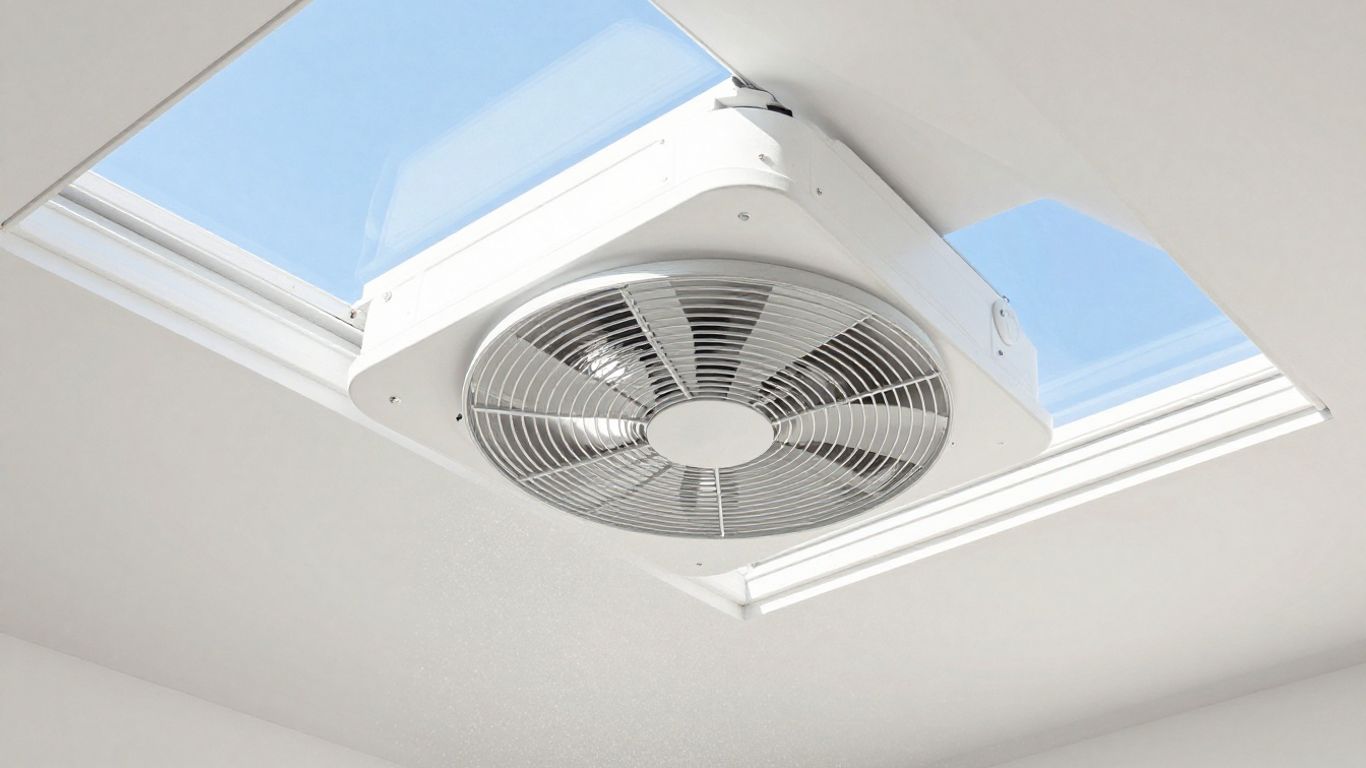
How Whole Home Fans Work
We’ve all experienced those summer evenings where the air outside feels cooler than inside, but our homes still hold onto the day’s heat. This is where a whole home fan really shines. Think of it as a powerful exhaust fan, but instead of just venting one room, it pulls air from your entire house and pushes it out through your attic vents. This process effectively replaces the warm indoor air with the cooler outside air. It’s a simple concept, really. When you turn it on, usually in the evening or overnight when temperatures drop, it creates a strong airflow. This airflow draws air through open windows and doors, up through your living spaces, and then out of your attic. The result is a much more comfortable indoor temperature without needing to run your air conditioner as much. It’s a great way to cool down your house naturally.
Integrating Whole Home Fans With Your Home Electrical Upgrades
Installing a whole home fan isn’t just about the fan itself; it often ties into your home’s electrical system. We need to make sure your home’s wiring can handle the power draw of the fan, especially if it’s a larger unit. This might mean upgrading your electrical panel or adding a dedicated circuit. It’s also common to install a timer or a thermostat control for the fan. This lets you set it to turn on and off automatically, so you don’t have to remember. For example, you could set it to start cooling your home once the outside temperature drops below a certain point in the evening.
Here are a few things to consider during the integration:
- Electrical Panel Capacity: Check if your current panel has enough space and amperage for the new fan.
- Wiring: Proper gauge wiring is needed to safely connect the fan.
- Controls: Decide on manual switches, timers, or smart thermostats for operation.
- Location: The fan is typically installed in the ceiling of a central hallway, with ductwork leading to the attic.
When planning for a whole home fan, it’s wise to consult with a qualified electrician. They can assess your current electrical setup and recommend the best way to integrate the fan safely and efficiently. This ensures the system works as intended and avoids any potential electrical issues down the line. It’s a step that really pays off in the long run for peace of mind and proper function.
We’ve found that combining this with improved attic ventilation, as we discussed earlier, makes the whole system work even better. The fan pushes the warm air out of the house, and the improved attic ventilation allows that air to escape the attic more easily, preventing heat buildup in the attic itself.
Wrapping Up Our Attic and Fan Talk
So, we’ve talked a bit about how attic ventilation and getting a whole home fan can really make a difference when those cooler nights roll in. It’s not just about comfort, though that’s a big part of it. Better airflow in your attic can help keep your house cooler overall, meaning your air conditioner doesn’t have to work quite so hard during the day. And a whole home fan? It’s like opening up your house to a nice breeze, pulling out that stuffy air and bringing in the fresh stuff. We think looking into these upgrades is a smart move for most homeowners. It might take a little effort to figure out what’s best for your place, but the payoff in comfort and maybe even saving a bit on energy bills seems pretty good to us. Give it some thought, and see if it makes sense for your home.
Frequently Asked Questions
Why is good airflow in our attic so important?
Having a well-ventilated attic helps a lot. It keeps the temperature inside our home more steady, preventing it from getting too hot in the summer and too cold in the winter. Good airflow also helps get rid of moisture, which can stop mold and rot from forming in our roof and walls. Think of it like letting our house breathe!
How does a whole home fan make our evenings cooler?
A whole home fan is like a big fan that pulls the hot air out of your house and brings in the cooler outside air, especially when the sun goes down. When we open our windows and turn on the fan, it quickly cools everything down. It’s a great way to make our living space comfortable without using as much air conditioning.
Are there any special things we need to consider when upgrading our electrical system for a whole home fan?
Yes, we should always check our home’s electrical setup before installing a whole home fan. These fans need a good amount of power, so we might need to upgrade our wiring or circuit breaker to handle the extra load safely. It’s best to have a qualified electrician take a look to make sure everything is up to code and works well.