
Keeping your home comfortable year-round in West Chicago, IL, means paying attention to your heating and cooling. We know it’s easy to forget about these systems until something goes wrong. But a little regular attention can make a big difference. We’ve put together some simple tips for home heating and cooling maintenance West Chicago IL, to help you keep things running smoothly and avoid unexpected problems.
Key Takeaways
- Changing your air filter regularly is a simple step that helps your system work better and keeps the air cleaner.
- Getting a professional to look at your HVAC system once a year can catch small issues before they become big, expensive ones.
- Make sure the outside unit for your air conditioner has plenty of space around it, free from plants and dirt, so it can work properly.
- Keep your vents and registers clear so air can move freely throughout your home.
- Pay attention to your thermostat to make sure it’s set correctly and working right, which helps save energy.
Prioritize Regular Air Filter Replacement
We often overlook the simple things, don’t we? One of the easiest and most impactful maintenance tasks for your home’s heating and cooling system is changing the air filter. It might seem minor, but a dirty filter can really mess with how your HVAC works.
Understanding Air Filter Importance
Think of your air filter as the lungs of your HVAC system. Its main job is to catch dust, pollen, pet dander, and other small particles floating around in your home’s air before they get sucked into your furnace or air conditioner. If that filter gets clogged up, your system has to work much harder to pull air through it. This extra strain can lead to higher energy bills and put unnecessary wear and tear on your equipment. Plus, a dirty filter means less clean air circulating through your house, which isn’t great for anyone, especially those with allergies or respiratory issues.
Choosing the Right Filter for Your System
Not all air filters are created equal. You’ll see different types when you go to the store, usually rated by MERV (Minimum Efficiency Reporting Value). A higher MERV rating means the filter is better at catching smaller particles, but it also means it can restrict airflow more. For most homes in West Chicago, a MERV rating between 8 and 13 is a good balance. Check your HVAC system’s manual or look for a label on the old filter to see what type it uses. Using the wrong kind, especially one that’s too restrictive, can actually harm your system.
Frequency of Filter Changes for Optimal Performance
How often you need to change your filter really depends on a few things: the type of filter you use, whether you have pets, how much you run your system, and even the air quality in your area. As a general rule, we recommend checking your filter monthly. If it looks dirty, change it. For most households, replacing the filter every 1 to 3 months is a good schedule. If you have pets that shed a lot or suffer from allergies, you might need to change it more often, perhaps every 30-60 days. Sticking to a regular replacement schedule is key to keeping your system running efficiently and your air clean.
A clogged air filter is like trying to breathe through a thick blanket. It makes everything harder and less effective. Regular changes are a small effort with big rewards for your home’s comfort and your system’s lifespan.
Schedule Professional Inspections Annually
We all know that feeling of putting off a task, thinking it’s not that important right now. But when it comes to our home’s heating and cooling systems, that procrastination can lead to bigger headaches down the road. Scheduling annual professional inspections is one of the smartest moves we can make for our HVAC equipment. It’s not just about fixing things when they break; it’s about preventing those costly breakdowns in the first place.
Benefits of Expert HVAC Check-ups
Think of these yearly check-ups as a regular doctor’s visit for your furnace and air conditioner. A qualified technician can spot small issues before they turn into major problems. This means fewer unexpected repair bills, especially during those peak seasons when you rely on your system the most. Plus, a well-maintained system runs more efficiently, which can lead to noticeable savings on your energy bills. It also helps extend the lifespan of your equipment, so you won’t have to face the expense of a full replacement as soon.
What Technicians Look For During Service
During a typical inspection, a professional will go through a detailed checklist. They’ll check:
- Electrical connections for wear and tear.
- The condition of the heat exchanger for any cracks or damage.
- Refrigerant levels in your air conditioner.
- The blower motor and fan for proper operation.
- The thermostat’s calibration and functionality.
- Ductwork for leaks or blockages.
They’re looking for anything that seems out of the ordinary, from strange noises to signs of corrosion or leaks. It’s a thorough process designed to catch potential issues early.
Preventing Costly Breakdowns with Proactive Care
Ignoring your HVAC system’s needs is like ignoring a small leak in your roof – it might seem minor now, but it can cause significant damage over time. A proactive approach, like annual servicing, helps us avoid those emergency repair calls in the middle of a heatwave or a cold snap. It’s about peace of mind, knowing our system is ready to perform when we need it most.
Regular maintenance isn’t just a suggestion; it’s a practical way to keep our homes comfortable and our budgets in check. It’s an investment in the longevity and reliability of our heating and cooling equipment.
Maintain Clear Airflow Around Outdoor Units
We often forget about the outdoor part of our heating and cooling system, but it needs attention too. The condenser unit, that big box outside your house, needs space to breathe. If it’s blocked, your system works harder than it needs to, which costs more money and can lead to problems.
Ensuring Unobstructed Condenser Access
Think of the outdoor unit like a car’s radiator. It needs air to flow through it to do its job. If plants, fences, or storage items are too close, air can’t get in and out properly. We recommend keeping at least two feet of clear space all around the unit. This gives the air a good path to move freely.
Trimming Vegetation for Better Circulation
Plants can grow fast, especially in West Chicago. Overgrown bushes or tree branches can easily creep up on your condenser. Regularly trim back any vegetation that’s getting too close. This isn’t just about airflow; it also stops leaves and twigs from getting sucked into the unit.
Keeping Debris Away from Your AC Unit
Besides plants, other things can end up around your outdoor unit. Leaves, grass clippings, dirt, and even trash can accumulate. This stuff can clog the fins of the condenser, making it hard for heat to escape. Periodically, take a few minutes to clear away any loose debris. A gentle sweep or a quick rinse with a hose (when the system is off, of course) can make a big difference.
A clean and clear outdoor unit operates more efficiently. This means less strain on the components and potentially lower energy bills for us. It’s a simple step that pays off.
Here’s a quick checklist for maintaining your outdoor unit:
- Check for obstructions at least once a month during warmer weather.
- Trim back plants and branches that are within two feet of the unit.
- Remove any accumulated leaves, grass, or other debris.
- Ensure the unit is sitting level on its pad.
Check and Clean Vents and Registers
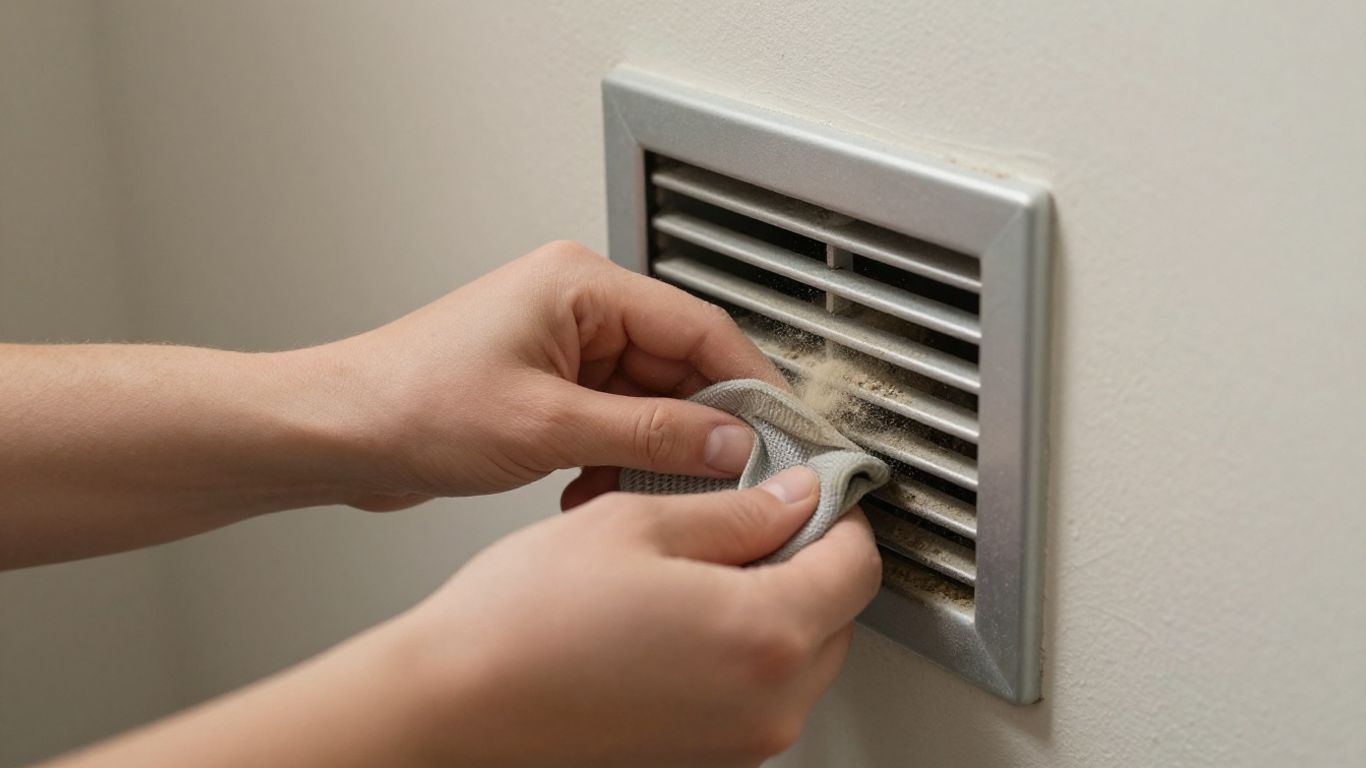
We often forget about the vents and registers in our homes, but they play a big part in how well our heating and cooling systems work. These are the openings where the conditioned air enters your rooms. If they’re blocked or dirty, the air can’t move freely, and your system has to work harder.
Importance of Unblocked Air Distribution
Think of your vents and registers as the lungs of your HVAC system. When they’re clear, air can circulate properly throughout your house. This means your home stays at the temperature you set on the thermostat more evenly. If they’re clogged with dust, furniture, or rugs, the airflow gets restricted. This can lead to some rooms being too hot while others are too cold, and it puts extra strain on your furnace or air conditioner. Consistent airflow is key to comfort and efficiency.
Simple Cleaning Techniques for Vents
Cleaning your vents and registers is a pretty straightforward task. You don’t need special tools or a lot of time. Here’s a simple way to tackle it:
- Turn off your HVAC system. This is important for safety and to prevent dust from being blown around while you’re cleaning.
- Remove the vent covers. Most covers can be unscrewed or simply pulled off. Be gentle so you don’t damage them.
- Vacuum the inside of the vent opening. Use your vacuum cleaner’s hose attachment to suck out any loose dust, pet hair, or debris that has collected inside the duct opening.
- Wipe down the vent covers. Use a damp cloth with a little mild soap to clean the surface of the vent covers. If they’re metal, you might want to dry them thoroughly to prevent rust.
- Reattach the vent covers. Once everything is clean and dry, put the covers back in place.
Identifying Obstructions to Airflow
Sometimes, the problem isn’t just dust. You might find that furniture, curtains, or even rugs are blocking your vents. It’s a good idea to walk through your home and check each vent. Make sure nothing is directly in front of it. Even a small rug placed over a floor vent can make a difference in how well the air distributes. If you have baseboard vents, ensure that furniture isn’t pushed right up against them. Keeping these areas clear helps your system do its job without fighting against obstacles.
Regularly checking your vents and registers is a small step that can have a big impact on your home’s comfort and your energy bills. It’s a simple maintenance task that often gets overlooked, but it’s worth the few minutes it takes to do it right.
Monitor Thermostat Functionality
We often forget about the thermostat, but it’s the brain of our heating and cooling system. If it’s not working right, our comfort and our energy bills can really suffer. Let’s talk about keeping it in good shape.
Ensuring Accurate Temperature Readings
Sometimes, thermostats just start telling us the wrong temperature. This can happen for a few reasons. Maybe it’s getting direct sunlight, which makes it think the room is warmer than it is. Or perhaps it’s placed too close to a heat-producing appliance, like a lamp or even a TV. Dust buildup on the sensor can also throw off its readings. We need our thermostat to tell us the actual temperature so the system can work correctly. If you notice the temperature on the display doesn’t match what you feel in the room, it might be time to check its location or give it a gentle cleaning.
Programming for Energy Efficiency
Modern thermostats, especially programmable and smart ones, are fantastic tools for saving energy. We can set them to lower the temperature when we’re asleep or away from home, and then have it warm up or cool down just before we need it. This avoids running the system at full blast when it’s not necessary. For example, we could set it to drop the temperature by 7-10 degrees Fahrenheit for about 8 hours a day. This simple adjustment can lead to significant savings on our energy bills over time. Smart thermostats can even learn our habits and adjust automatically, which is pretty neat.
Troubleshooting Common Thermostat Issues
If your thermostat isn’t responding, or the system isn’t turning on or off as it should, there are a few things we can check before calling a professional. First, check the batteries if it’s a battery-powered model. Low batteries are a common culprit. Next, make sure the thermostat is actually switched to the correct mode (heat, cool, or off) and that the fan is set to ‘auto’ or ‘on’ as desired. Sometimes, a simple reset can fix glitches; check your thermostat’s manual for instructions on how to do this. If none of these steps help, it might be time to contact an HVAC technician to look at the thermostat or the system itself.
Address Unusual Noises and Smells Promptly
Recognizing Warning Signs from Your System
Sometimes, our heating and cooling systems will let us know they’re having a problem before a complete breakdown. We might hear strange sounds or notice odd smells. Ignoring these signals can lead to bigger, more expensive repairs down the line. It’s like when your car starts making a funny noise; you don’t just turn the radio up, right? We should pay attention to what our HVAC system is trying to tell us.
Potential Causes of Strange Sounds
Different noises can point to different issues. A rattling sound might mean a loose part somewhere in the ductwork or the unit itself. A squealing or grinding noise often indicates a problem with the motor or bearings. A banging sound could be something more serious, like a component that’s come loose internally. We need to listen carefully to the type of sound and where it seems to be coming from.
When to Call for Emergency Service
While some noises can wait for a scheduled appointment, others demand immediate attention. If you smell burning plastic or electrical odors, that’s a definite red flag. A hissing sound, especially if you also smell a refrigerant leak (often described as sweet or chemical), means you should turn off the system and call a professional right away. Gas furnaces can also produce a rotten egg smell if there’s a gas leak, which is an emergency situation. Don’t hesitate to call for help if you experience any of these.
Here’s a quick guide to common sounds and what they might mean:
- Rattling: Loose panels, ductwork issues, or debris.
- Squealing/Grinding: Motor problems, worn bearings, or belt issues.
- Banging: Internal component failure, fan imbalance.
- Hissing: Refrigerant leak or air leak.
- Clicking: Electrical issues, thermostat problems, or ignition problems (for furnaces).
When in doubt, it’s always better to err on the side of caution. A quick call to a qualified HVAC technician can save us a lot of trouble and money in the long run. They have the tools and knowledge to diagnose these issues accurately and fix them safely.
Wrapping Up
So, we’ve gone over a few things you can do to keep your heating and cooling working right here in West Chicago. Taking care of these systems might seem like a chore, but it really does make a difference. A little bit of regular attention can stop small problems from becoming big, expensive ones. Plus, it helps make sure your home stays comfortable all year round, no matter what the weather decides to do outside. If you’re ever unsure about something, don’t hesitate to call a pro. That’s usually the best way to get things fixed properly and keep your system running smoothly for a long time.
Frequently Asked Questions
How often should we change our home’s air filter?
We recommend checking your air filter every month and replacing it at least every three months. If you have pets or allergies, you might need to change it more often, perhaps as frequently as every 30 to 60 days, to keep your air clean and your system running smoothly.
Why is it important to have our heating and cooling system checked by a pro every year?
Getting a yearly check-up from a professional technician is super important. They can spot small problems before they become big, expensive repairs. Think of it like a doctor’s visit for your HVAC system – it helps keep everything in good shape and prevents unexpected breakdowns, especially when we need it most.
What should we do to make sure the outside part of our air conditioner is working well?
We need to keep the area around your outdoor unit clear. Make sure there’s at least two feet of space all around it, free from plants, leaves, or any other stuff. This helps the unit breathe easily and work more efficiently, keeping your home cool.
How can we tell if our vents are blocked and what should we do?
You’ll know if vents are blocked if some rooms feel hotter or colder than others, or if you hear strange sounds. We should make sure nothing is pushed against them, like furniture or rugs. A quick vacuum around the vents can also help remove dust and keep air flowing freely.
What if our thermostat isn’t showing the right temperature?
If the thermostat seems off, first, we should check if the batteries need replacing. Sometimes, dust can get on the sensor, so gently cleaning it might help. If it’s still not working right, it might be time to call a professional to look at it.
When should we be worried about weird noises or smells coming from our HVAC system?
Anytime we hear loud banging, grinding, or squealing, or if we smell burning or gas, that’s a serious warning sign. We shouldn’t ignore these. It’s best to turn off the system and call for emergency service right away to ensure everyone’s safety and prevent damage.